


Ashley Moser on Orthorexia in Emmerdale: Understanding the Hidden Impact
A person can look “healthy” from the outside and still be trapped in fear, shame, and rigid rules around food. That is one reason the Emmerdale storyline on orthorexia has struck a nerve. It puts a rarely discussed eating disorder pattern into a setting many people recognize: family meals, casual comments, concern that gets brushed off, and the slow shift from “eating well” to feeling unable to eat freely at all.
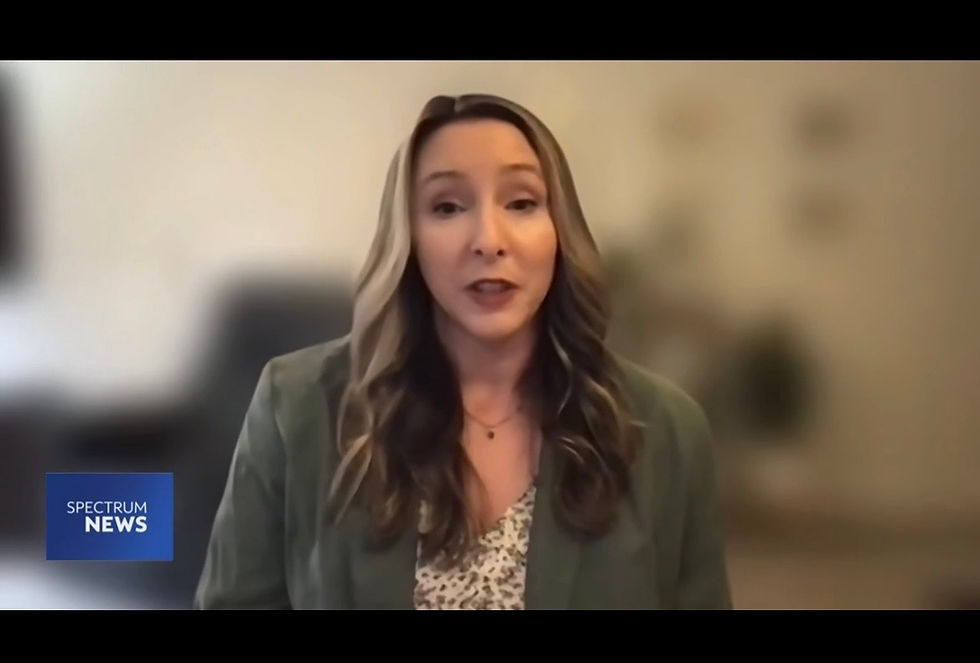
Ashley Moser’s insights in the article help name what is often missed. Orthorexia is not simply being interested in nutrition. It is a fixation on eating in a way that feels pure, clean, correct, or safe, to the point that it harms mental health, relationships, and daily life.
This post is informational and not a substitute for medical or mental health care. If eating, exercise, or body-related fears are affecting daily life, support from a qualified professional can make a real difference.

What orthorexia means and why it can be hard to spot
Orthorexia is commonly described as an unhealthy obsession with eating foods considered healthy, clean, pure, or morally “good.” Unlike some eating disorders that center openly on weight or body size, orthorexia often hides behind socially praised behavior.
Someone may start by wanting to feel better, manage digestion, train for fitness, or eat more whole foods. Those goals can be reasonable. The concern begins when food rules become strict, frightening, and controlling.
A person struggling with orthorexia may:
Cut out more and more foods over time
Feel intense guilt after eating something “wrong”
Avoid restaurants, family meals, or social events
Spend large amounts of time planning, checking, or preparing food
Judge themselves or others through food choices
Feel anxious when they cannot control ingredients
Tie self-worth to how well they follow food rules
The key issue is not the food itself. It is the distress, rigidity, and loss of freedom around it.
Ashley Moser’s perspective is valuable because it points attention away from surface-level assumptions. A person with orthorexia may not appear unwell in obvious ways. They may receive praise for discipline. Friends may ask for tips. Family may admire their “willpower.” That praise can make the problem harder to question.
Healthy eating supports life. Orthorexia narrows it.
That difference matters.
The mental health impact goes beyond meals
Orthorexia can affect the body, but its emotional toll is just as serious. Food becomes a source of fear rather than nourishment. Meals become tests. Grocery shopping becomes stressful. Eating with other people can feel unsafe.
The mind starts sorting food into rigid categories: good or bad, pure or contaminated, allowed or forbidden. Over time, that thinking can spread into a person’s identity.
Someone may think:
“If I eat that, I have failed.”
“I cannot trust food unless I prepared it myself.”
“People will judge me if they know what I ate.”
“I need to make up for this tomorrow.”
“I am only okay when I follow the rules.”
This can lead to anxiety, isolation, low mood, irritability, and shame. It can also overlap with other mental health concerns, including obsessive thinking, compulsive behaviors, trauma, perfectionism, and body image distress.
Orthorexia can be especially confusing because many food choices are shaped by real needs. People may avoid foods for allergies, digestive conditions, cultural reasons, ethical beliefs, religious practice, or medical advice. Those reasons deserve respect.
The warning sign is not restriction alone. It is when the restriction becomes driven by fear, becomes more extreme, or starts taking over daily life.
Why Emmerdale’s portrayal matters
Soap operas and long-running dramas have a unique power. They bring difficult issues into living rooms through characters people already know. When a storyline is done with care, it can help viewers recognize something in themselves or someone they love.
Emmerdale’s handling of orthorexia matters because the condition is often hidden in plain sight. It may not begin with dramatic behavior. It may begin with small changes that seem easy to explain away.
A character might decline a slice of cake, then stop eating at gatherings, then insist on controlling all meals. They might become tense when plans change. They might seem proud one moment and panicked the next. Loved ones may feel shut out, unsure whether to challenge the behavior or avoid conflict.
That kind of portrayal helps show how orthorexia can grow gradually. It also shows an important truth: concern may arrive before certainty. Families do not always have the perfect words. Friends may worry but hesitate. The person struggling may deny there is a problem, not because they are trying to hurt anyone, but because the rules feel like protection.
Moser’s insight adds depth here. Orthorexia is not vanity. It is not a fad. It is not simply “being difficult” about food. It is often tied to anxiety, control, identity, and a deep fear of doing harm to oneself by eating the “wrong” thing.
When a show like Emmerdale gives that issue space, it can reduce shame. It can also encourage viewers to talk about concerns earlier, before food rules become even more isolating.
A composite case that may feel familiar
Consider this fictional example, based on patterns many clinicians and families describe.
Maya started eating differently after a stressful year. At first, it helped. Cooking gave her structure. Cutting back on highly processed foods made her feel more in control. She watched videos, read labels, and learned new recipes.
Friends praised her. Her family said she seemed focused. Maya felt proud, too.
Then the rules grew. She stopped eating food cooked by other people. She avoided sauces because she could not verify every ingredient. She brought her own meal to birthdays. If she ate something outside her plan, she spent hours replaying it in her mind.
Her social life shrank. When her sister asked if she was okay, Maya snapped. She said everyone else was careless. Later, alone, she cried because she did not know how to stop.
The turning point came during a family dinner. Maya sat at the table with a packed container on her lap, unable to eat what everyone else was eating. Her father did not argue. He said, “I miss eating with you. I’m worried this is making your world smaller.”
That sentence did not fix everything. But it opened a door.
Maya eventually spoke with a therapist and a registered dietitian who understood eating disorders. Recovery was gradual. It did not mean abandoning health. It meant learning flexibility, reducing fear, and rebuilding trust in food and in herself.
This kind of story is why media portrayals matter. They give language to experiences that many people cannot explain yet.

How to recognize when healthy eating has become harmful
There is no single checklist that can diagnose orthorexia. Diagnosis and treatment should be handled by trained professionals. Still, certain patterns can help people recognize when eating habits may need attention.
The rules keep expanding
A person may start with one change, then add more and more restrictions. Foods once considered fine become unacceptable. Meals become narrower. The list of “safe” foods shrinks.
Flexibility feels impossible
Plans change. A restaurant uses a different ingredient. A friend cooks dinner. These normal situations can cause intense distress.
Healthy habits can bend. Orthorexic rules often cannot.
Food choices carry moral weight
The person does not just think, “That food does not work for me.” They think, “I am bad if I eat that.” This moral pressure can create shame and secrecy.
Relationships begin to suffer
Eating with others becomes difficult. Social plans are refused. Family members walk on eggshells. The person may seem increasingly isolated, defensive, or preoccupied.
The body and mind show strain
Fatigue, dizziness, difficulty concentrating, digestive changes, sleep problems, anxiety, and low mood can all appear when eating becomes too limited or stressful. These signs deserve attention, even when the person insists the diet is “healthy.”
What experts often recommend
Ashley Moser’s contribution is part of a larger message from eating disorder specialists: take the distress seriously, even if the behavior looks acceptable from the outside.
Support usually works best when it is compassionate, specific, and nonjudgmental.
If someone is worried about their own relationship with food, a helpful first step is to notice patterns without attacking oneself. Writing down fears, rules, and avoided situations can make the problem clearer.
Questions to ask include:
Do my food rules help me live fully, or do they limit my life?
Can I eat a meal I did not prepare without panic?
Do I feel guilt or shame after eating?
Am I avoiding people because of food?
Do I feel proud only when I follow strict rules?
If someone is worried about a loved one, the words matter. Blame tends to push people away. Calm concern can help.
Instead of saying, “You’re obsessed with food,” try:
“I’ve noticed meals seem stressful for you lately.”
“I miss spending time together without food feeling tense.”
“I’m not here to judge you. I’m worried you’re carrying a lot.”
“Would you be open to talking with someone who understands this?”
Professional help may include therapy, nutrition counseling, medical monitoring, and support for anxiety or obsessive thoughts. For many people, recovery means learning that health includes emotional safety, connection, rest, pleasure, and flexibility.
How to talk about healthy eating without feeding fear
Conversations about food can become intense. Wellness culture often turns eating into a moral performance. Words like “clean,” “guilt-free,” “toxic,” and “cheat meal” may sound casual, but they can reinforce fear for someone who is already struggling.
Families, schools, teams, and friend groups can help by changing the tone.
Try to focus less on food as a measure of character and more on food as part of care. Meals can be nourishing, enjoyable, cultural, practical, comforting, and social. They do not need to be perfect to have value.
Helpful shifts include:
Praise qualities unrelated to appearance or discipline
Avoid commenting on what someone eats or does not eat
Make room for a range of foods without drama
Treat flexibility as a sign of health
Talk about stress, sleep, loneliness, and anxiety, not just diet
Open conversations do not mean forcing someone to disclose private struggles. They mean creating an environment where people can speak without fear of being mocked, dismissed, or praised for harmful restriction.
Emmerdale’s storyline, and Ashley Moser’s commentary around it, can help start those conversations. A viewer might recognize a pattern. A parent might rethink a comment. A friend might ask a gentler question. Someone struggling might feel less alone.
The takeaway
Orthorexia can hide behind language that sounds positive. Clean eating. Discipline. Wellness. Control. But when food rules create fear, isolation, and shame, the cost is real.
The most helpful response is not judgment. It is curiosity, care, and early support. Emmerdale has helped bring that hidden struggle into public view, and Ashley Moser’s insights remind us to look beyond appearances.
Healthy eating should support a full life. If it starts making life smaller, that is a sign to pause, talk, and reach for help.


Comments